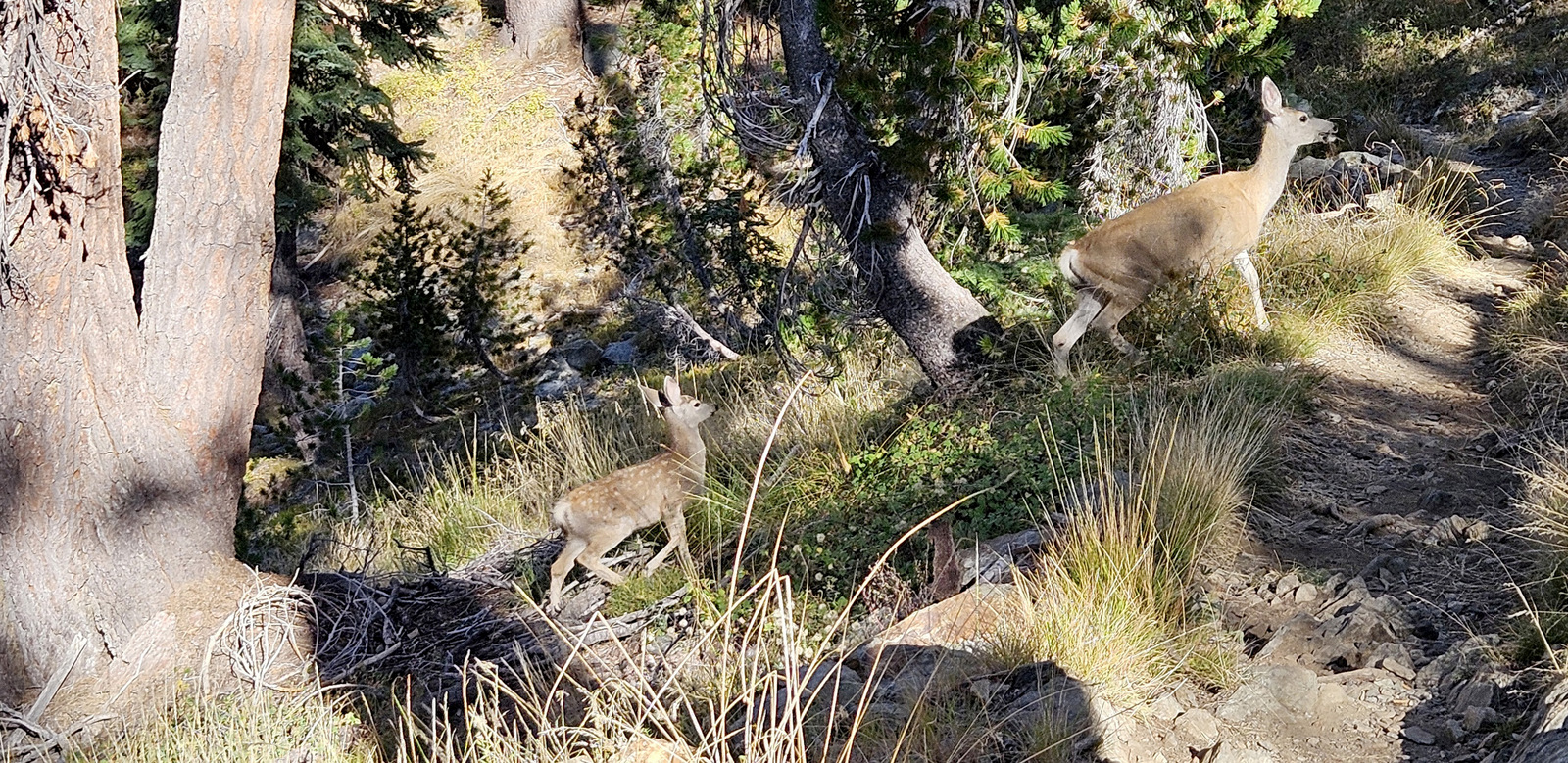
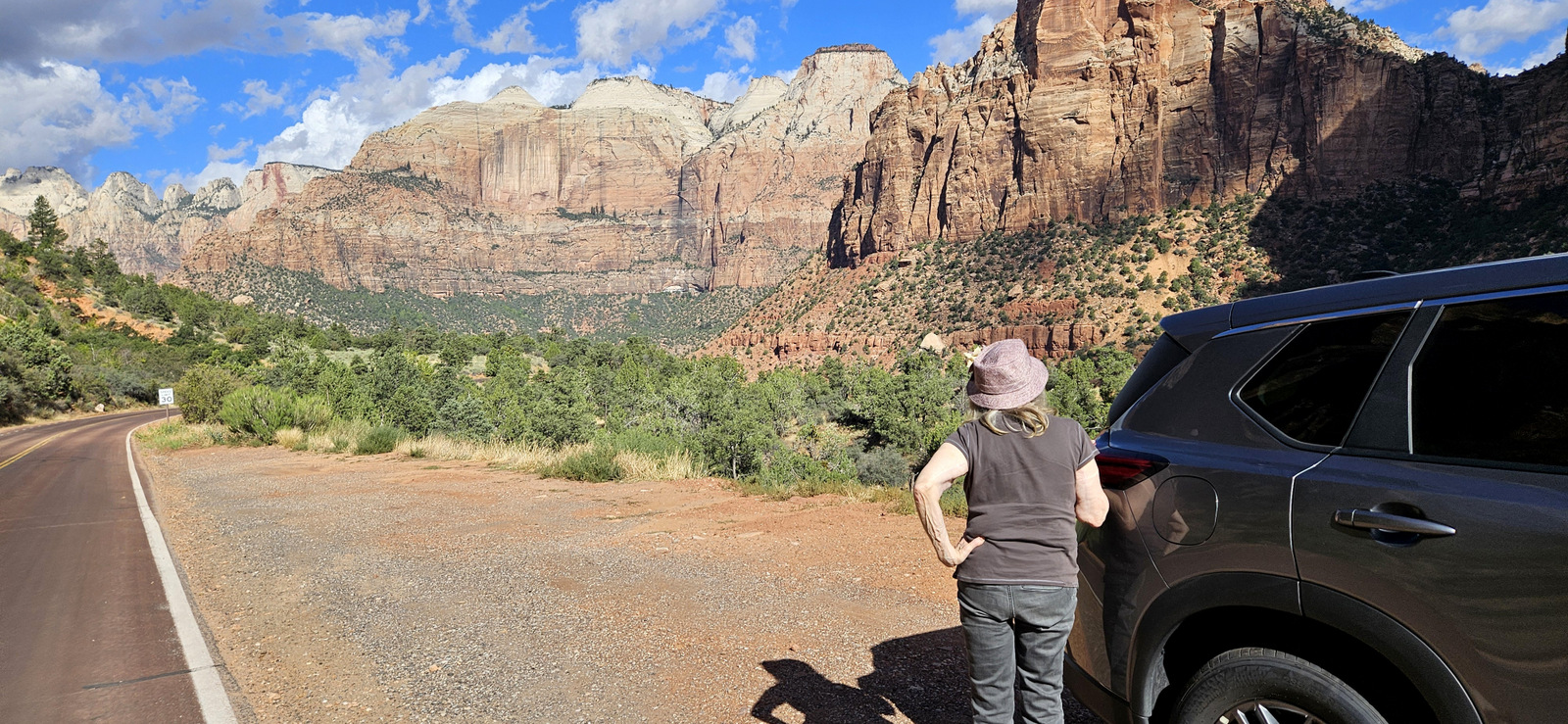
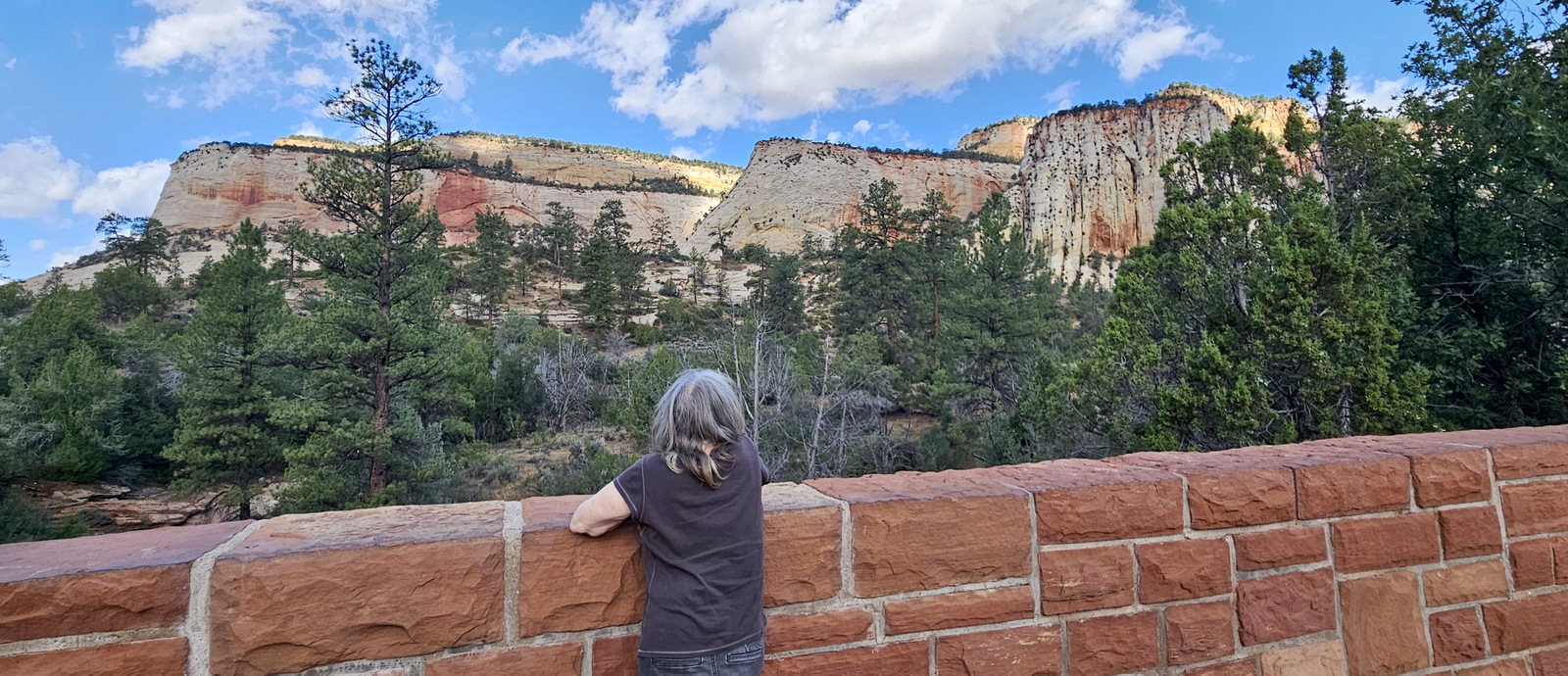
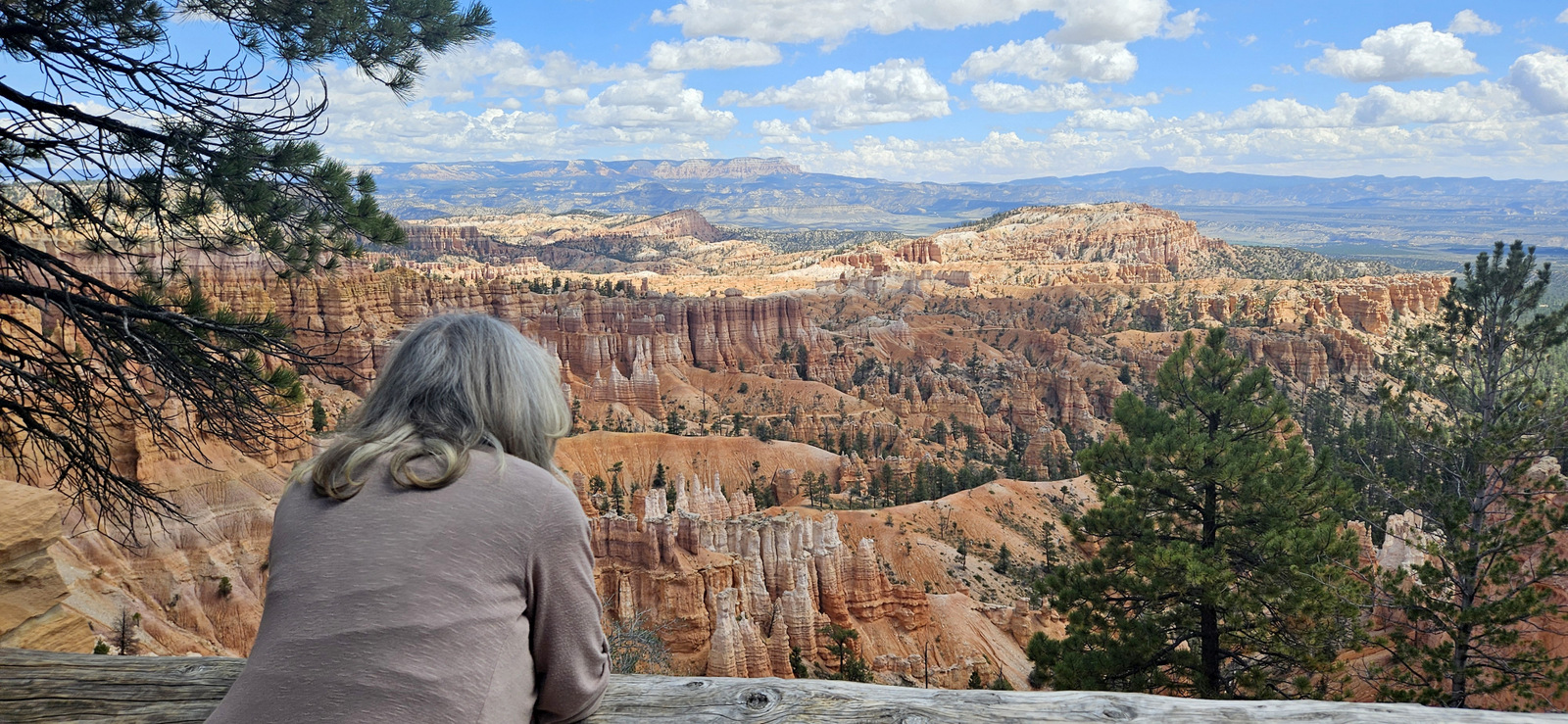
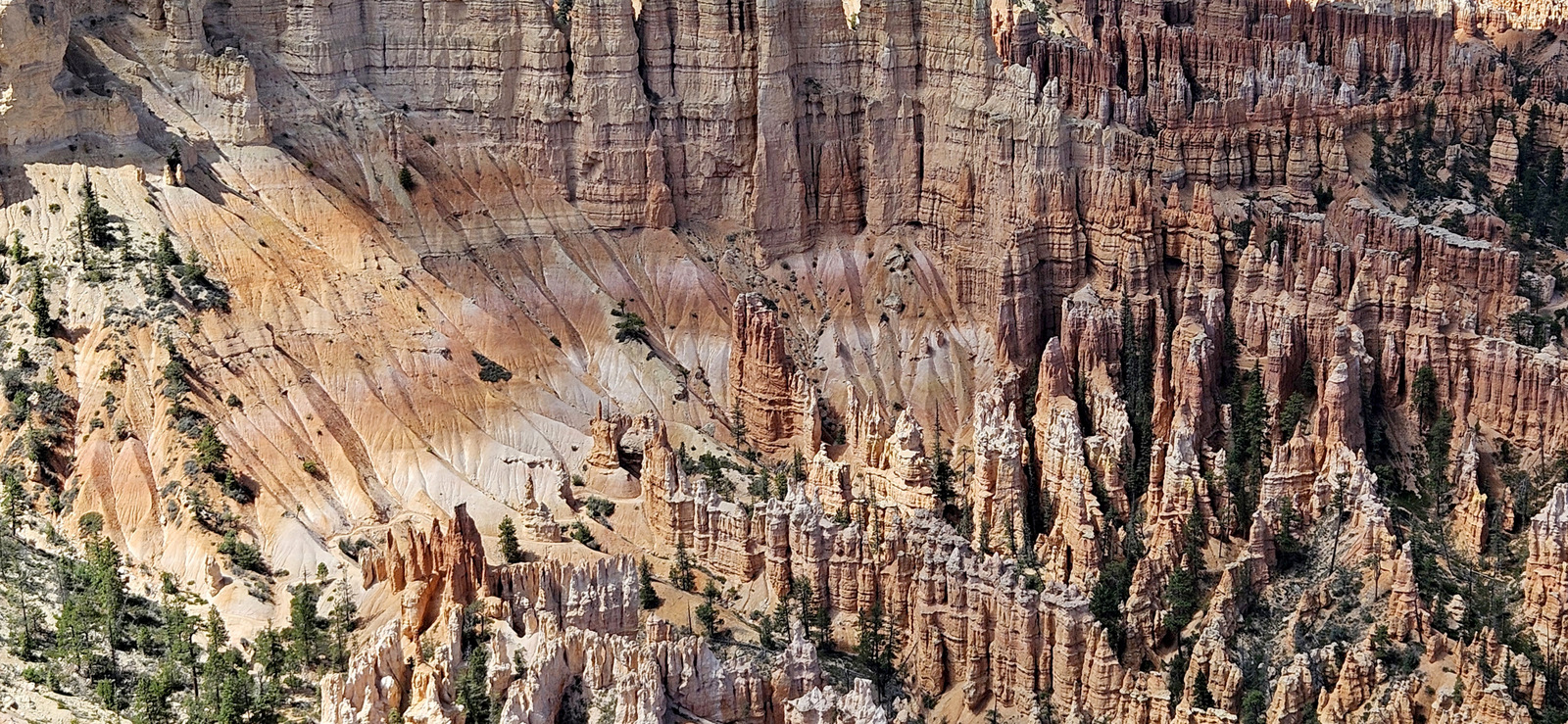
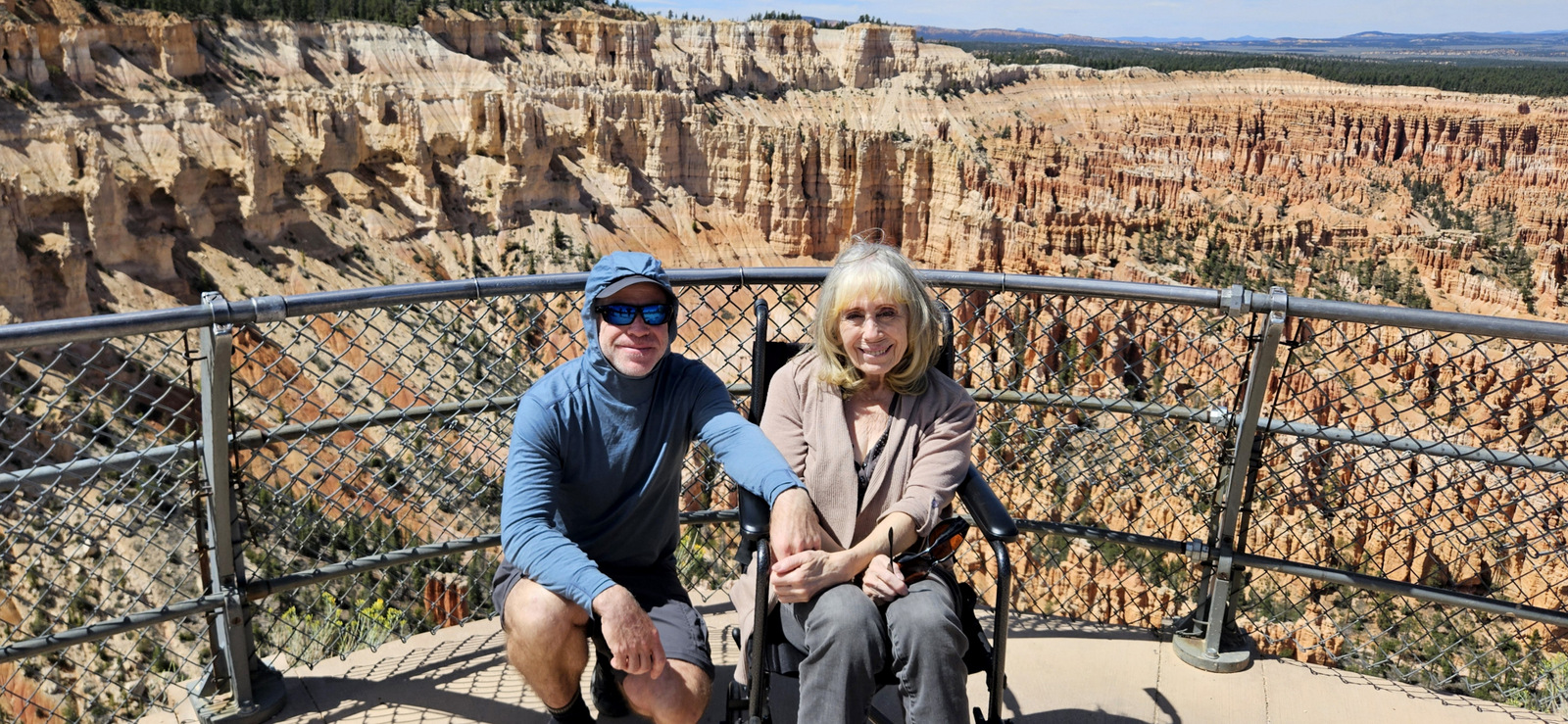
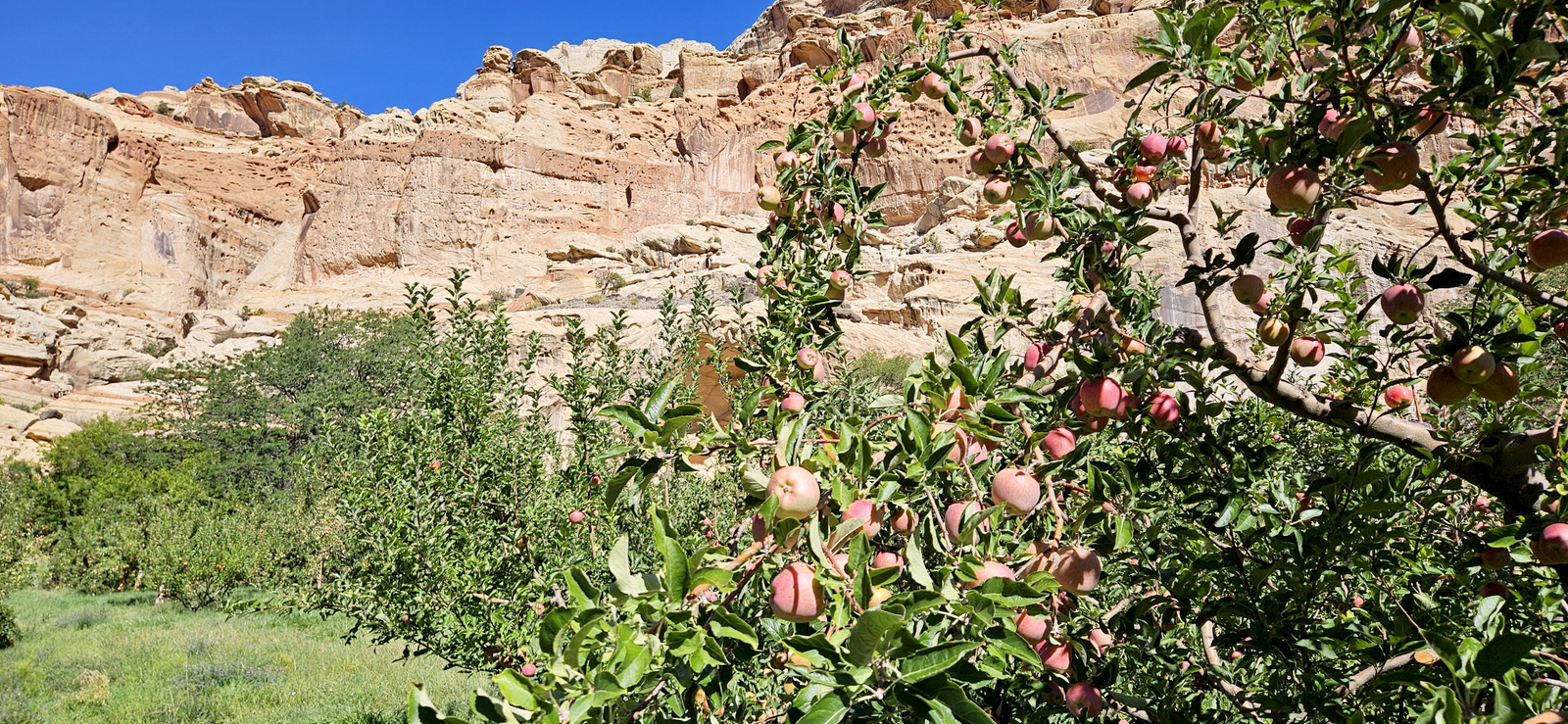
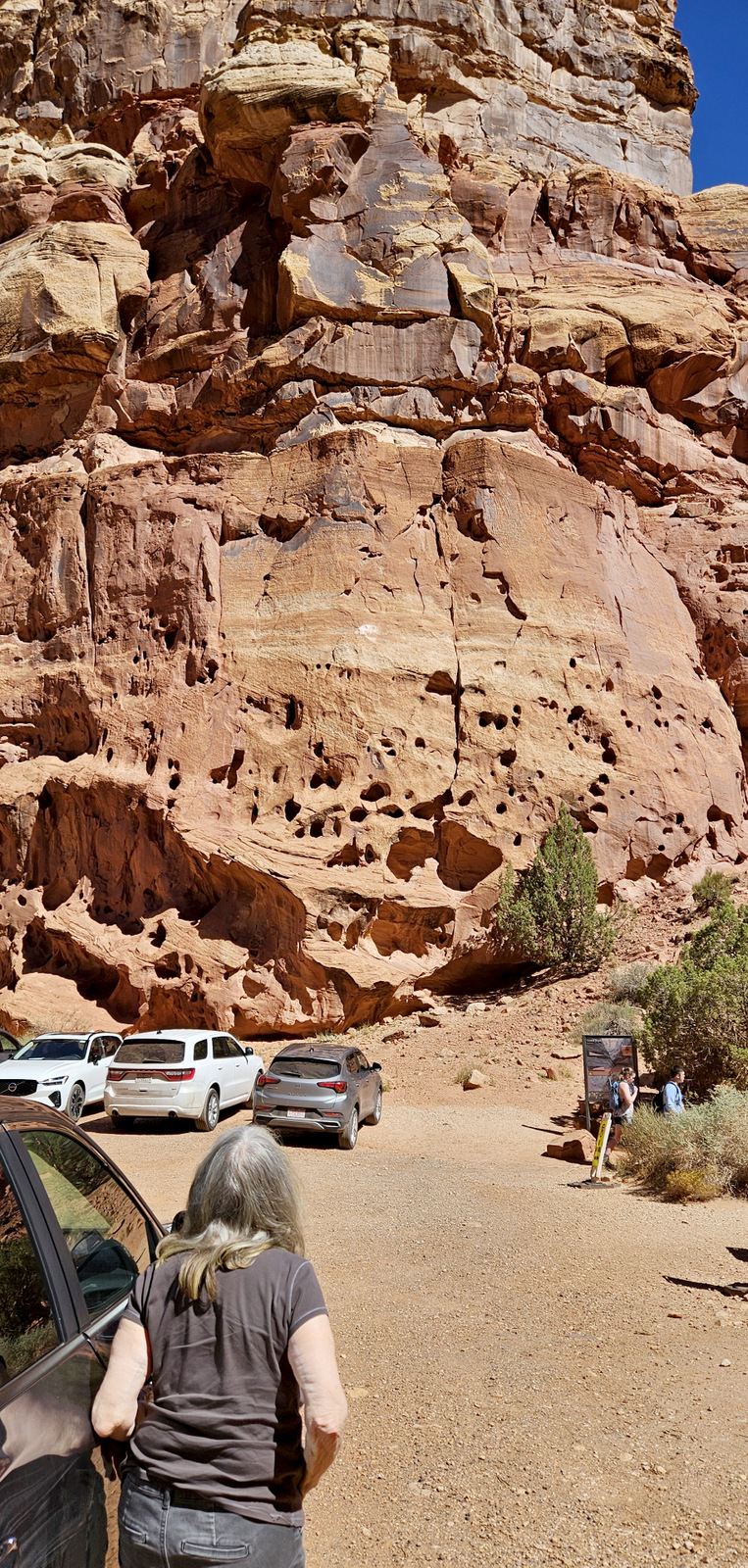
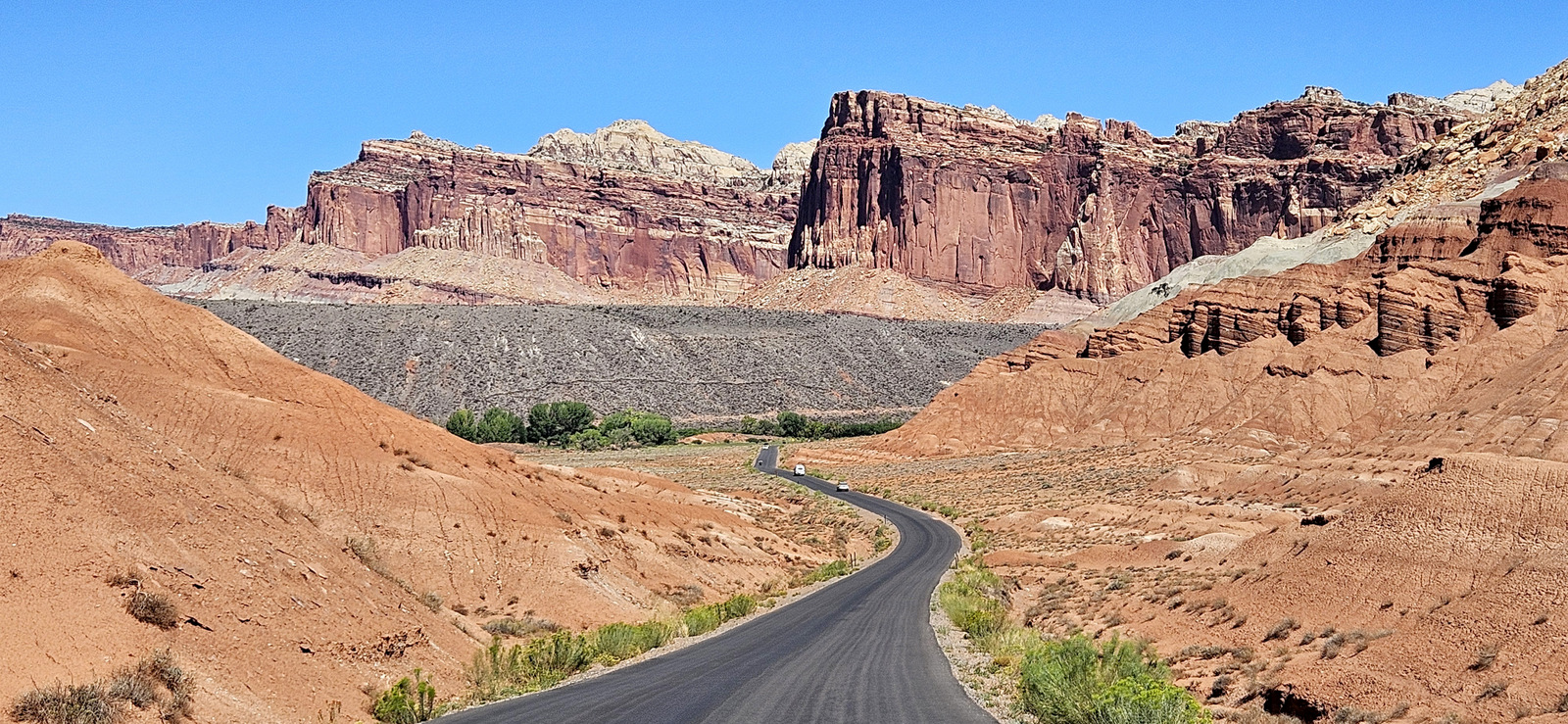
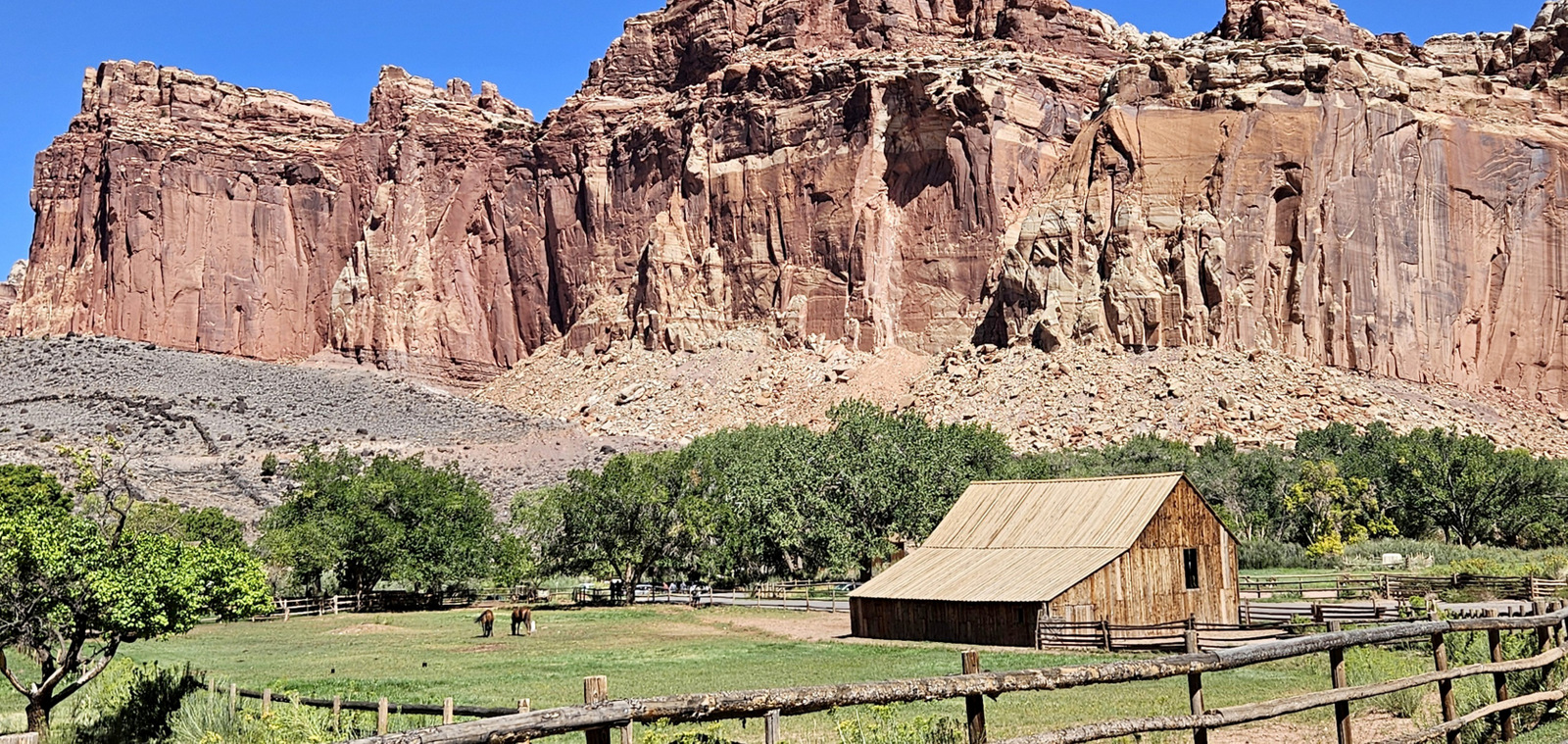
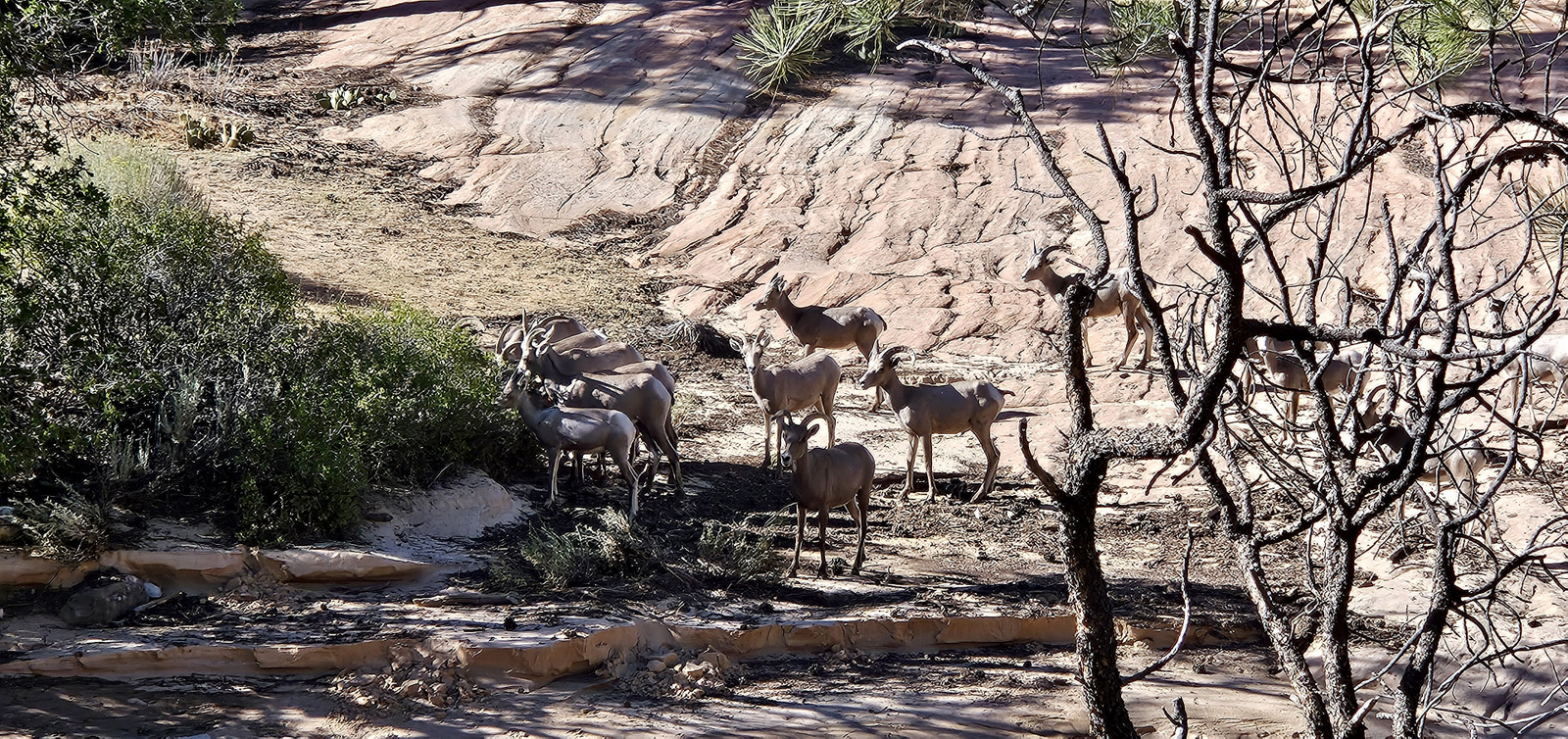
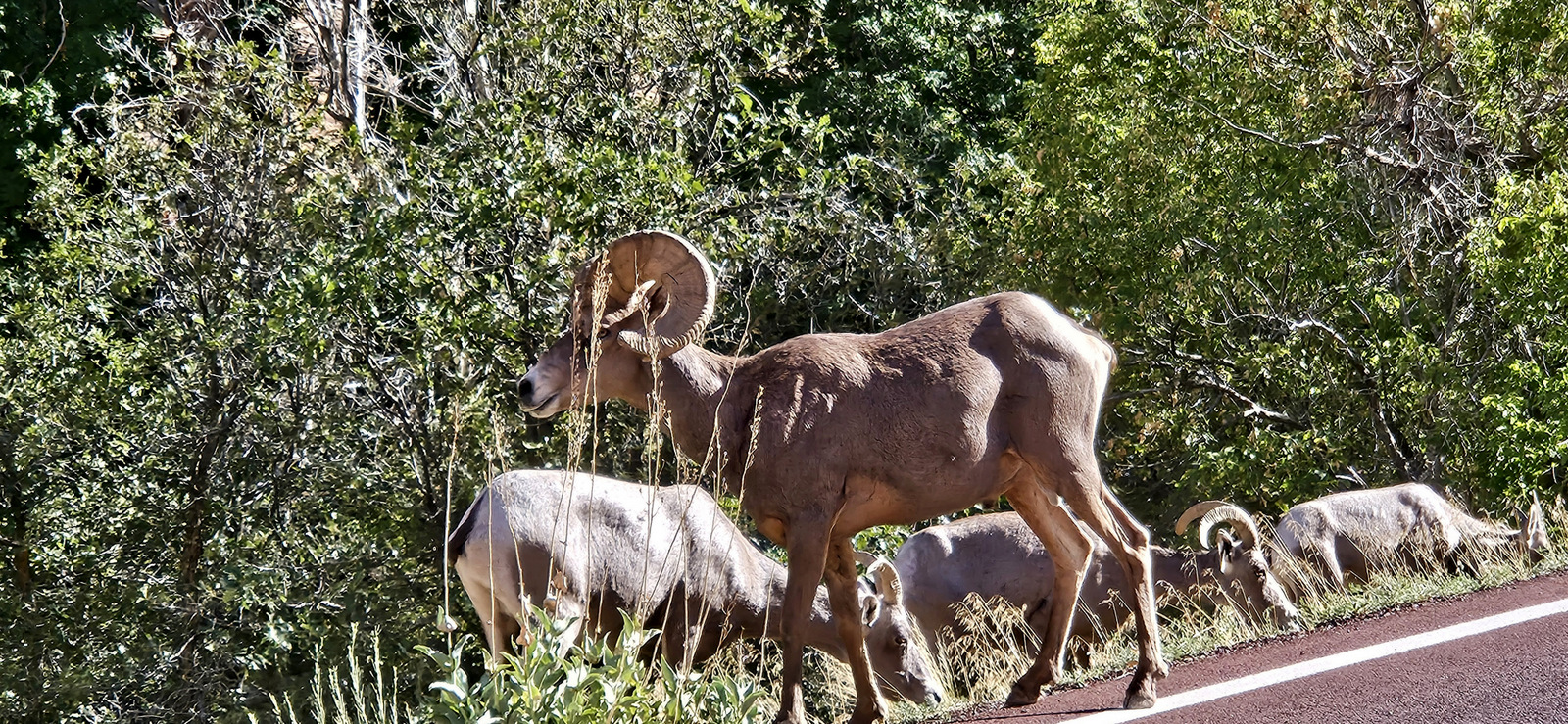
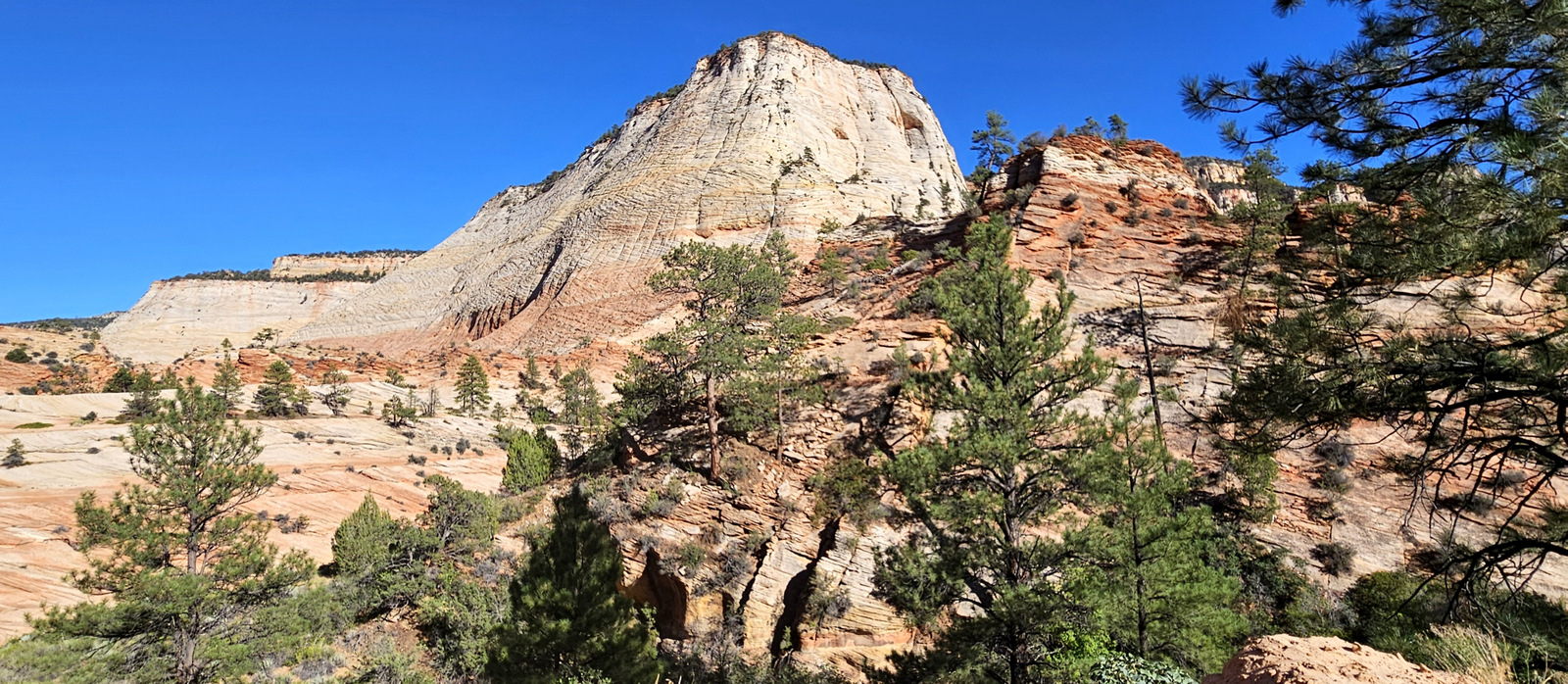
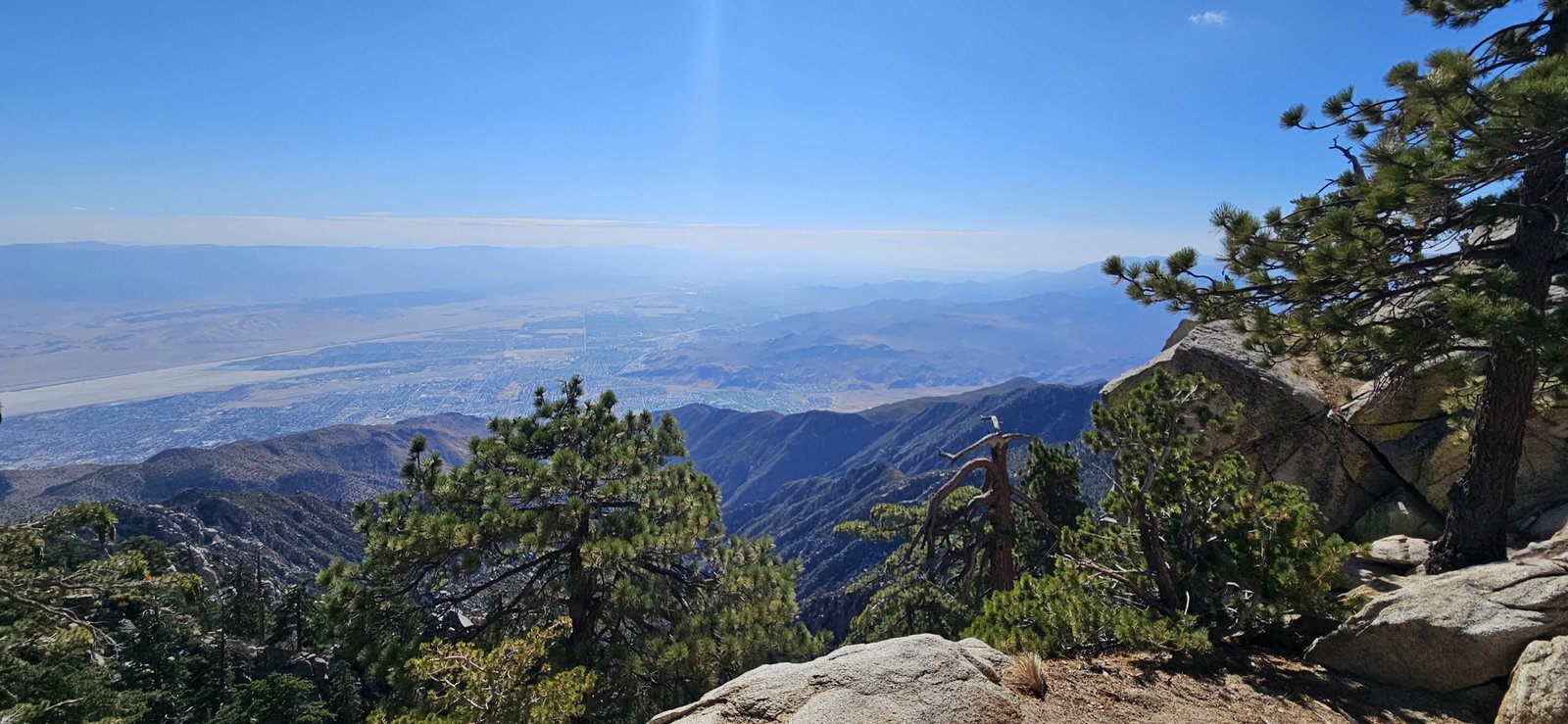
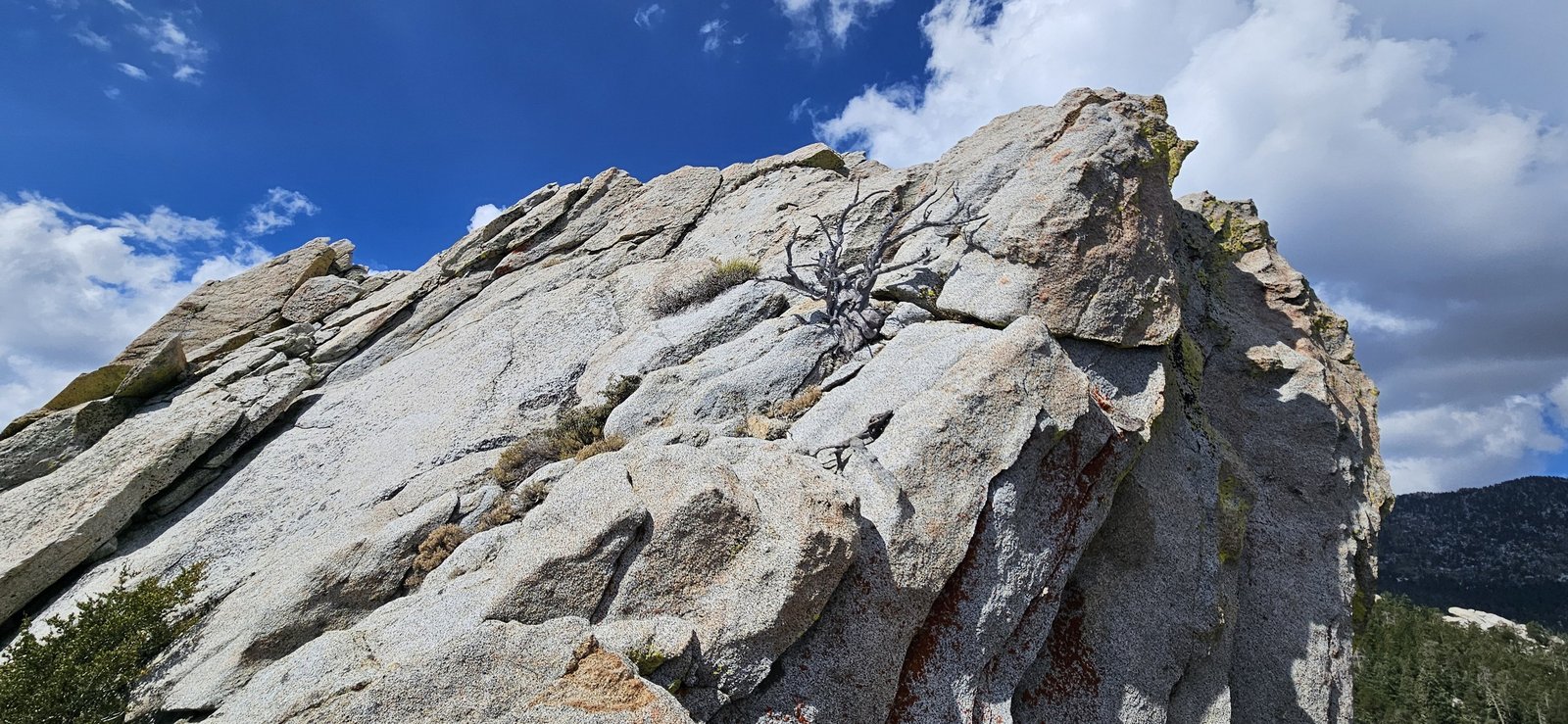
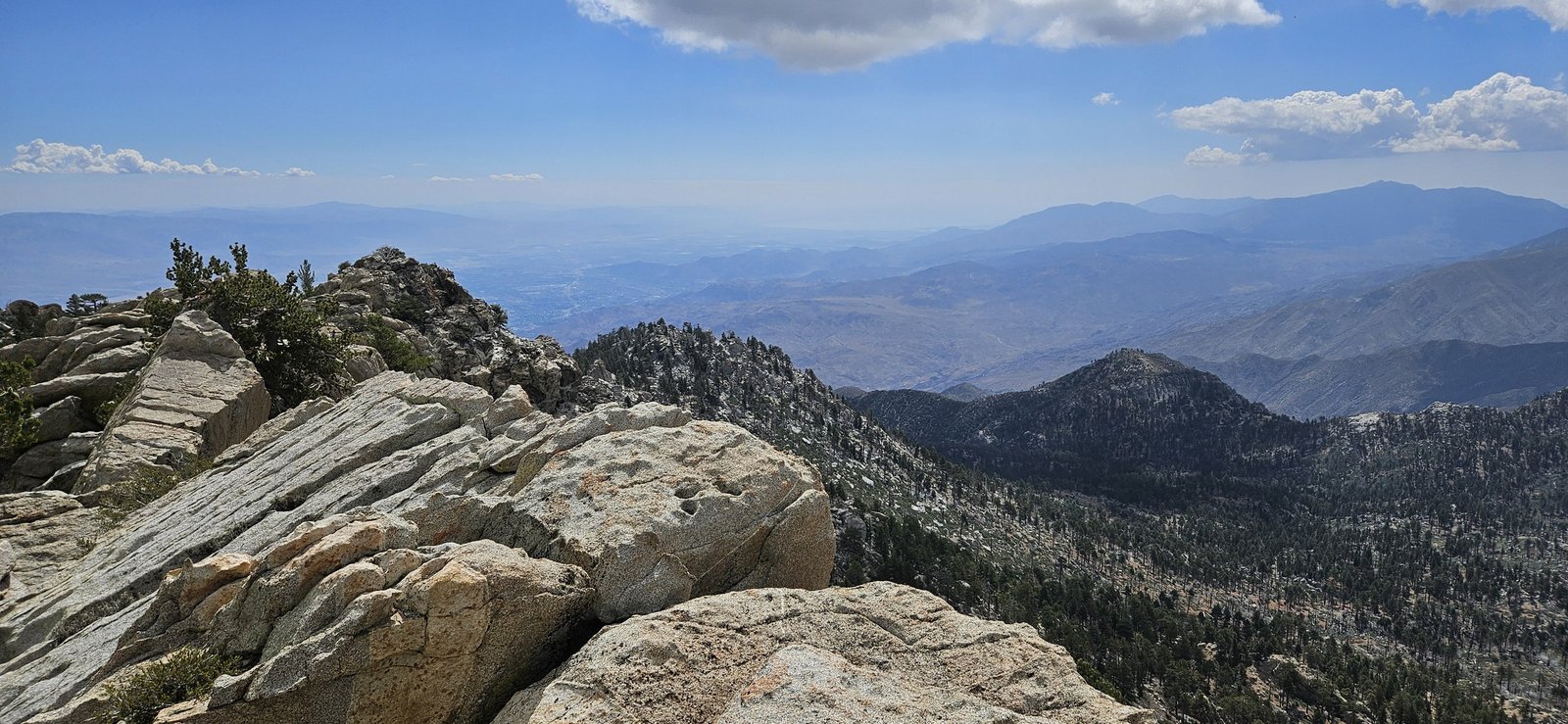
After cycling the Great Divide, my girlfriend picked me in Tucson with six days to explore Arizona. It was her first time in the state, I had fun showing her a few favorites and a few new spots as well. We visited Saguaro National Park, Mt Lemmon, Sedona, Horseshoe Bend, Lake Powell, and hiked Cathedral Wash to the Colorado River, a short but fun scrambly hike that was a great finish before heading home.

I was hesitant to commit to this trip afraid I might be disappointed compared to my previous bicycle tours, as almost all of my bicycle travel has been abroad – Patagonia, Scandinavia, Africa, The Balkans, Iceland, Oman, and clear across Asia. Part of the allure of those trips was the cultural experiences and cycling in my home country seemed less interesting. Lucky for me I was wrong.

I’ve traveled the USA extensively on road trips, visiting and peakbagging in all 50 states with much time spent in all western states. As I should have remembered, bicycle travel is a completely different experience. I traveled through and often stayed in tiny towns I never would have stopped in otherwise and met people from all over, sometimes sharing a meal (traveling by bike often invites curiosity and connection). Many of these people were from states I didn’t travel through, from Arkansas and renting cabins for hunting season for example. This combined with a challenging ride and everchanging top shelf scenery made for a richer experience than I expected.

I started at the Montana border, skipping the short Canadaian section to save some time since I started late season and reached the border in Douglas Arizona, an alternative to the traditional finish in Antelope Wells that’s becoming more popular. From Douglas I cycled through Bisby and Tombstone to Tucson where I met my girlfriend to travel a bit before heading home. I clocked over 2500 miles in 63 days, 11 of which were rest or weather days. Highlights inlcude amazing scenery from mountains to lakes to plains to deserts, the people I met along the way, interesting places to sleep including some offered free by gracious hosts, part of a cyclist support network – an 1800s jail in Ovando, the famous Llama Ranch, the Chaco Trade Center, etc. It was also special to see long-time friends at the beginning and end of my tour – Thomas Michael who gave me a ride to the Montana border and Jeremy Kennedy who met me in Douglas where we stayed the historic Gadsden Hotel. And of course my girlfriend who’s been supportive of my travels and picked me in Tucson. I highly recommend this trip to anyone considering it.

Nine flights and two boats for one of the wildest trips I’ve done, a through-hike of Auyuittuq National Park on Baffin Island in the Canadian Arctic. After flying to Qikiqtarjuaq, we hired a boat to the drop off point and began a 9-day trek over Akshayuk Pass. Polar bears (none seen), icy river crossings (~12 crossed), weather, and carrying heavy packs over difficult terrain (glacial moraines, spongy wet ground, boulders, etc) are the main challenges here. Rewards include some of the best scenery on the planet – endless vertical rock, precarious glaciers, and iconic mountains like Asgard and Thor – the tallest vertical drop on planet earth. A grand adventure shared with friend Jacob Kallman.

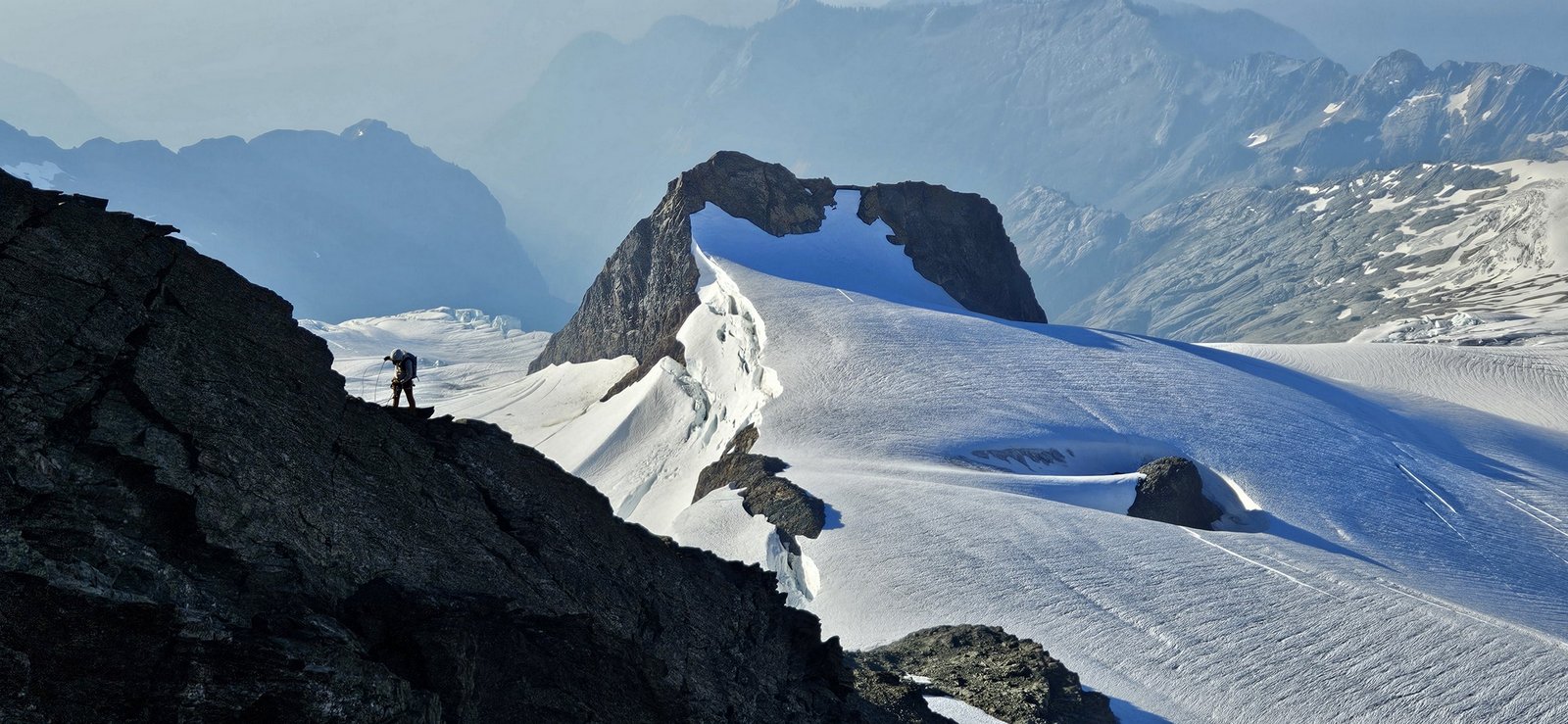
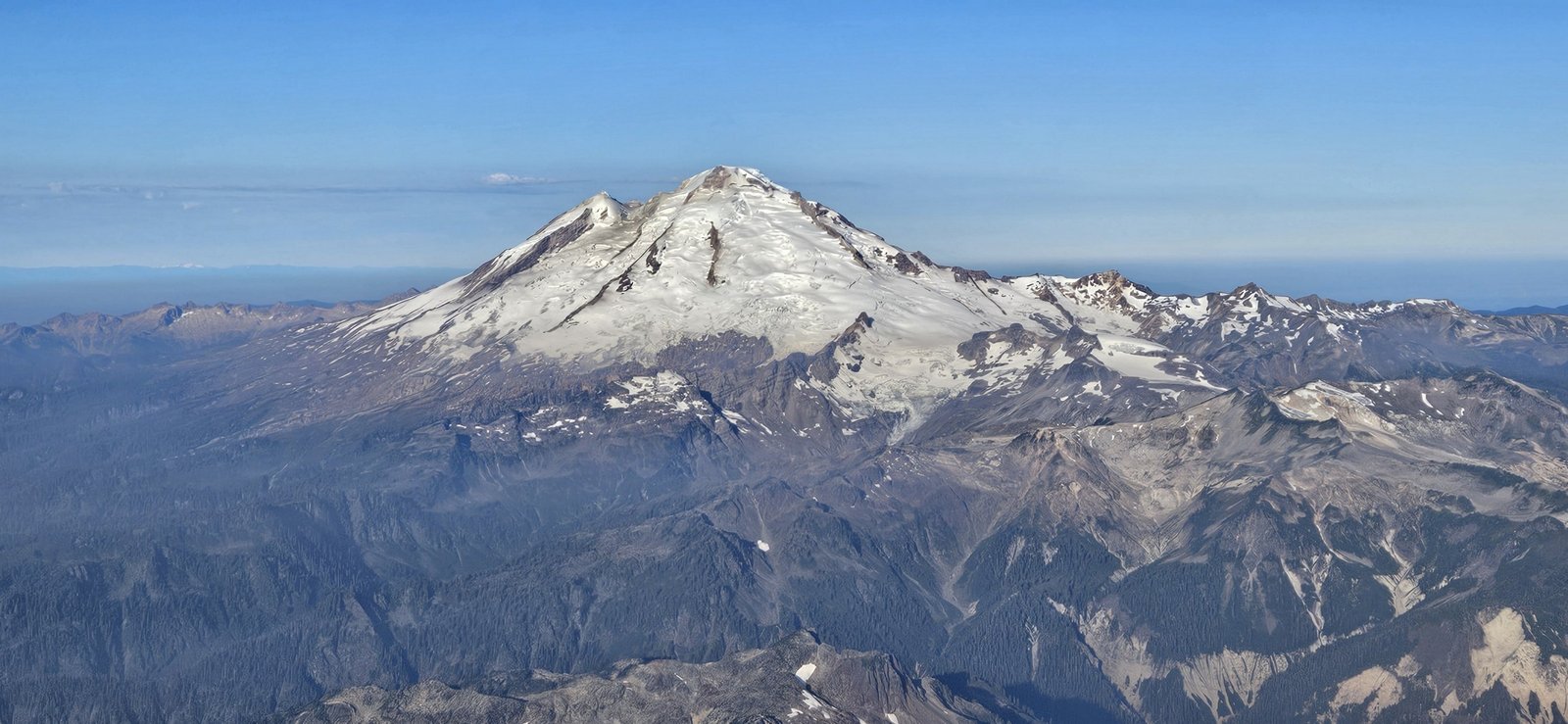
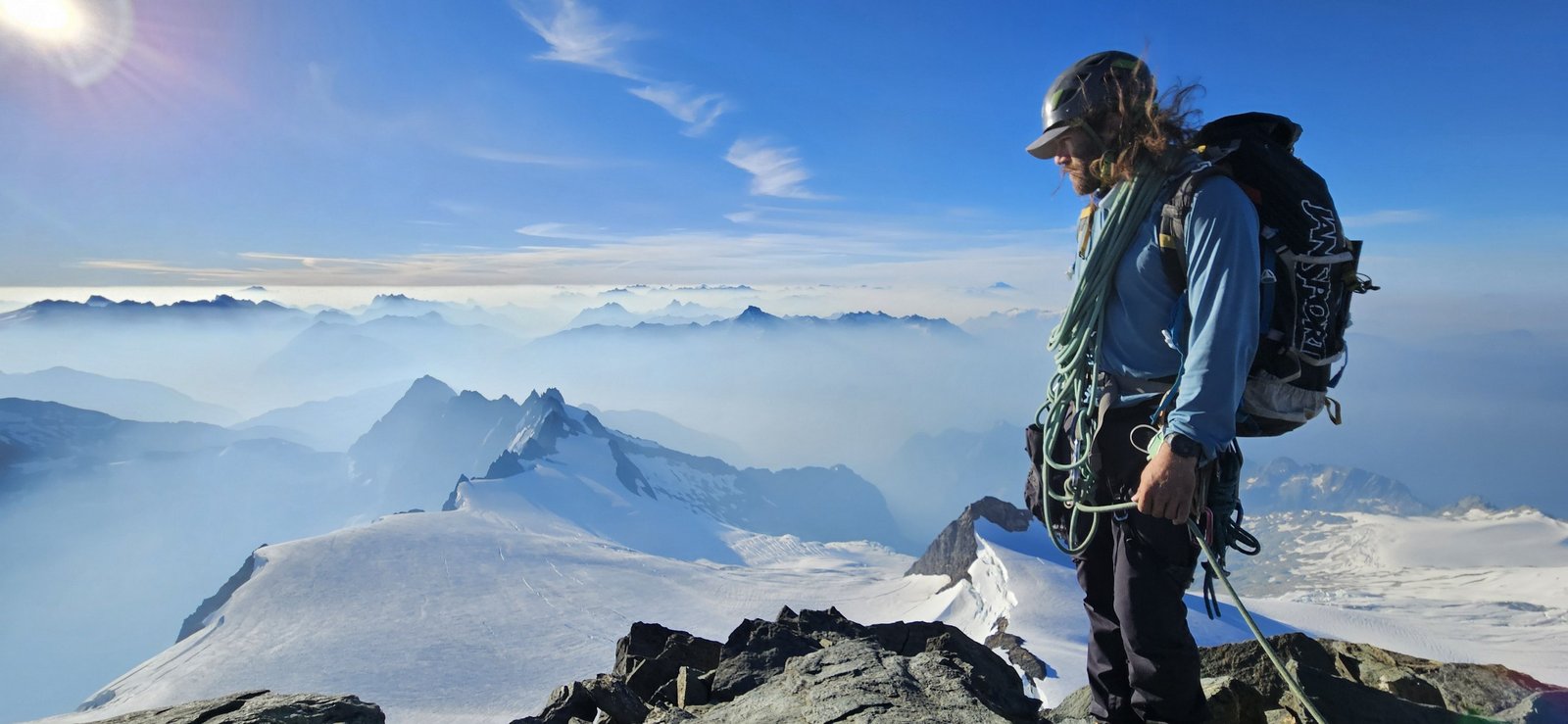
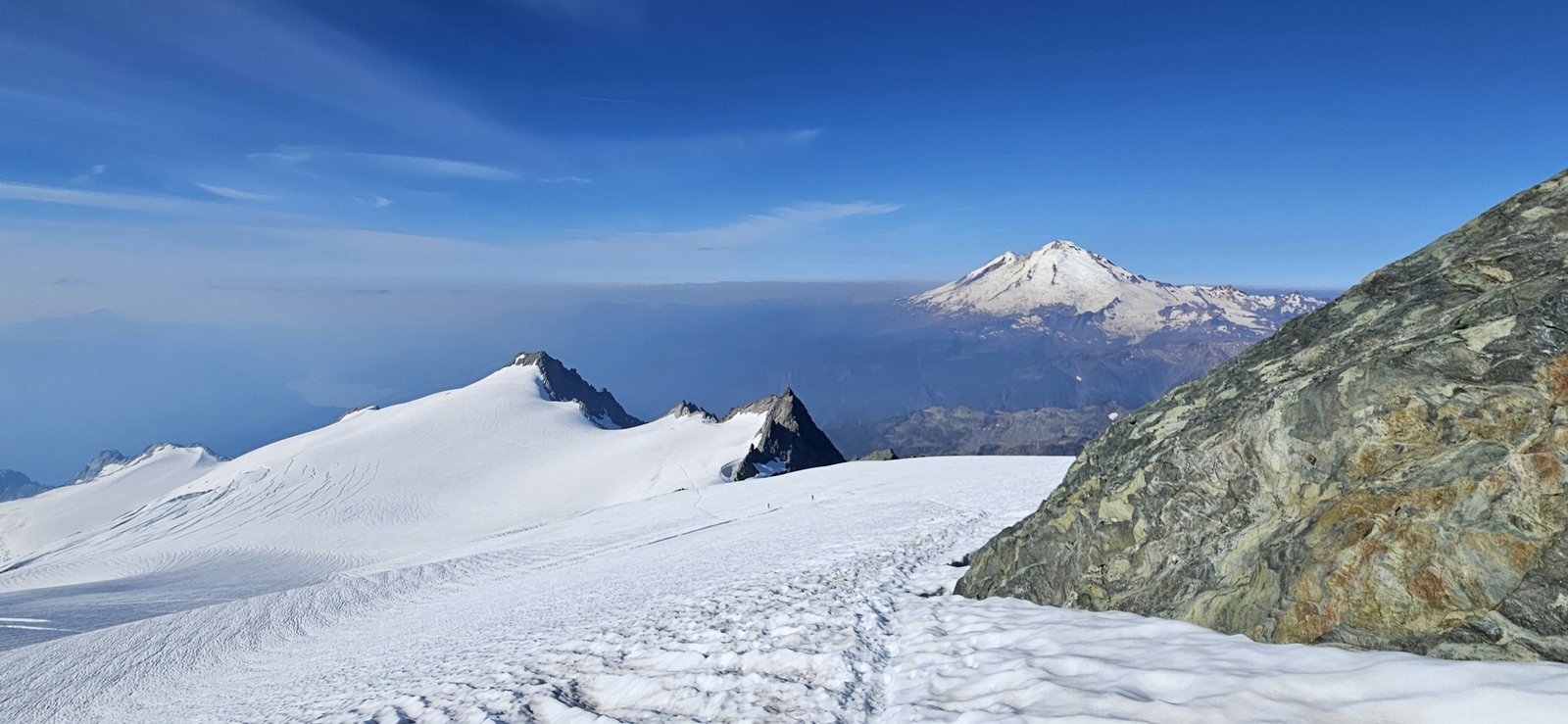
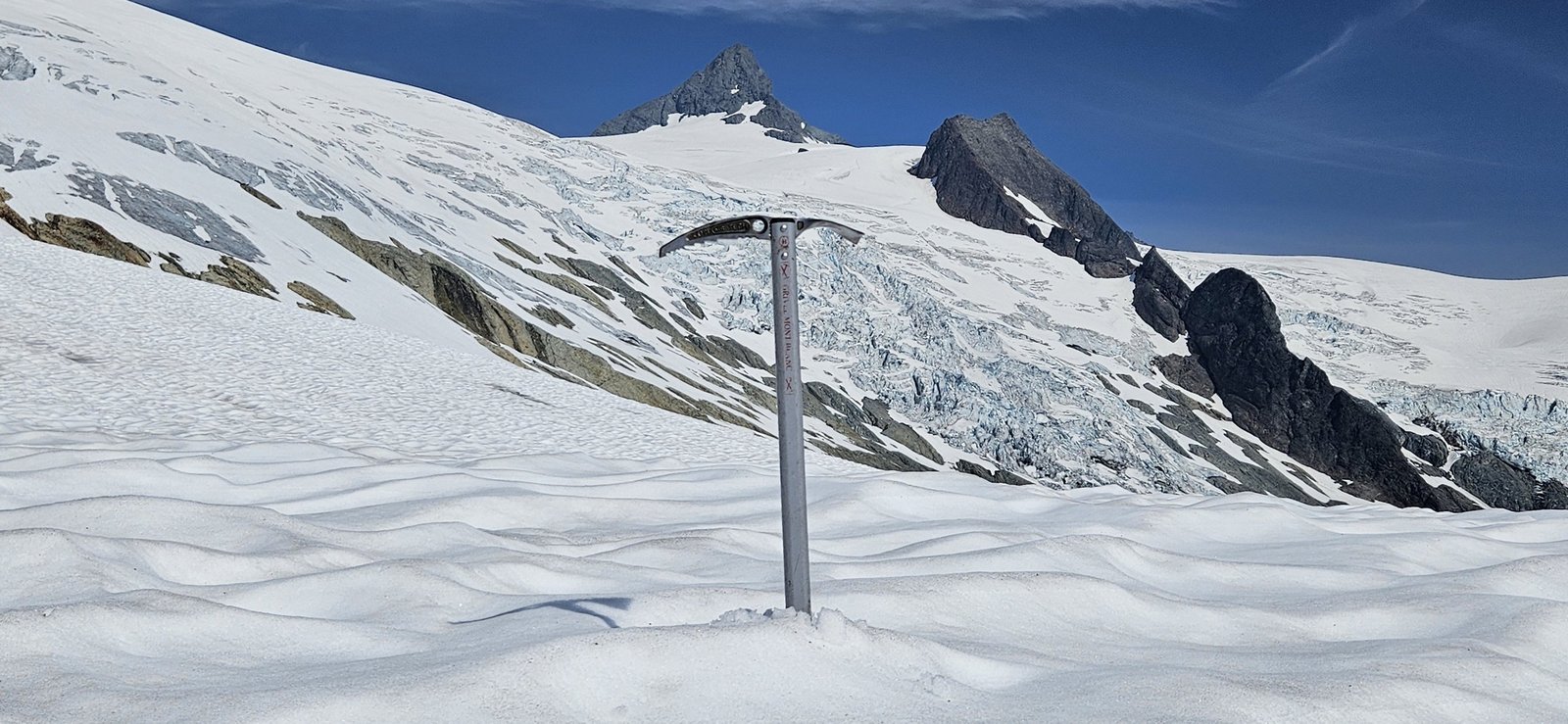
I finally got around to making progress on my most involved mountaineering project, climbing all the P4ks in the lower 48 states (mountains with 4000′ of prominence), and this trip involved some great ones.

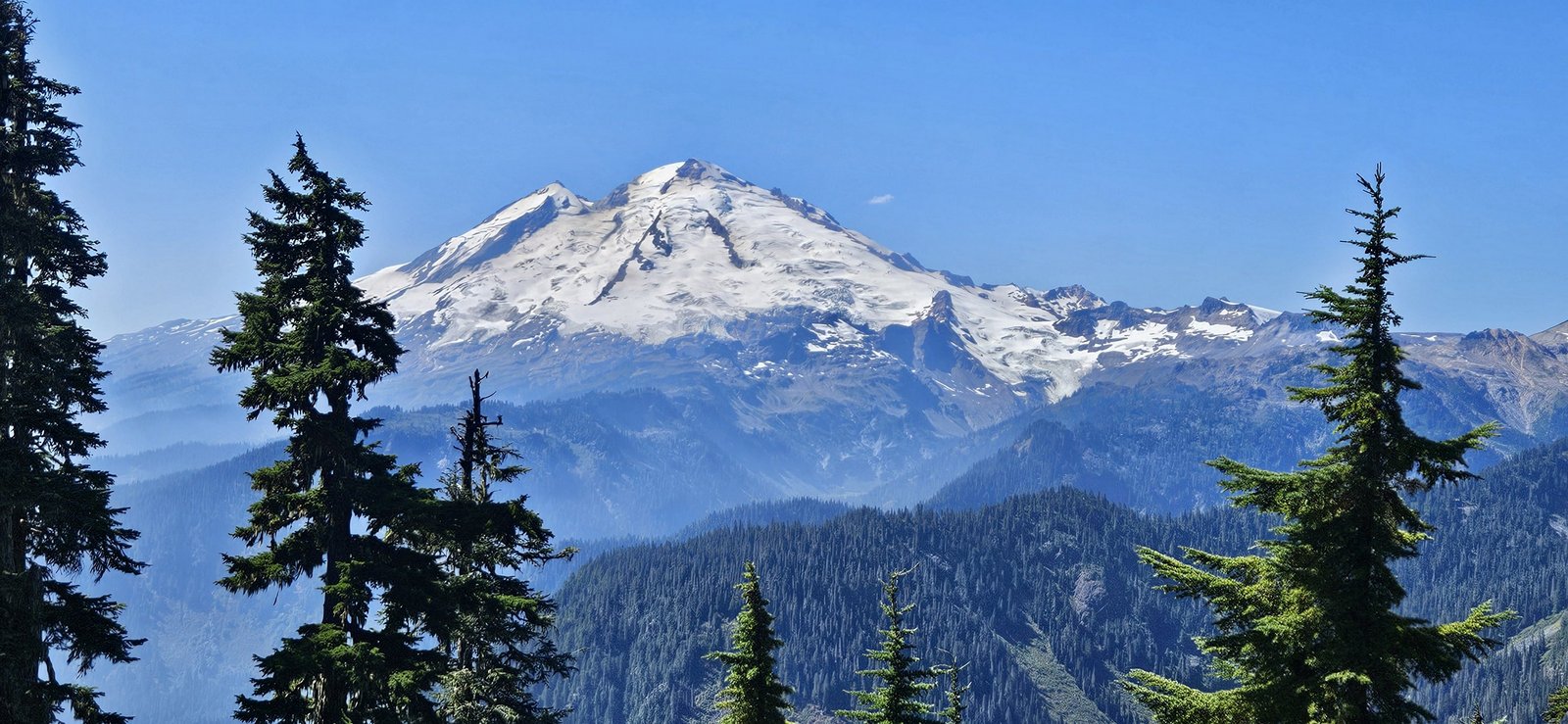
Mt Prophet, North Cascades (Phil Stinis joined to camp)

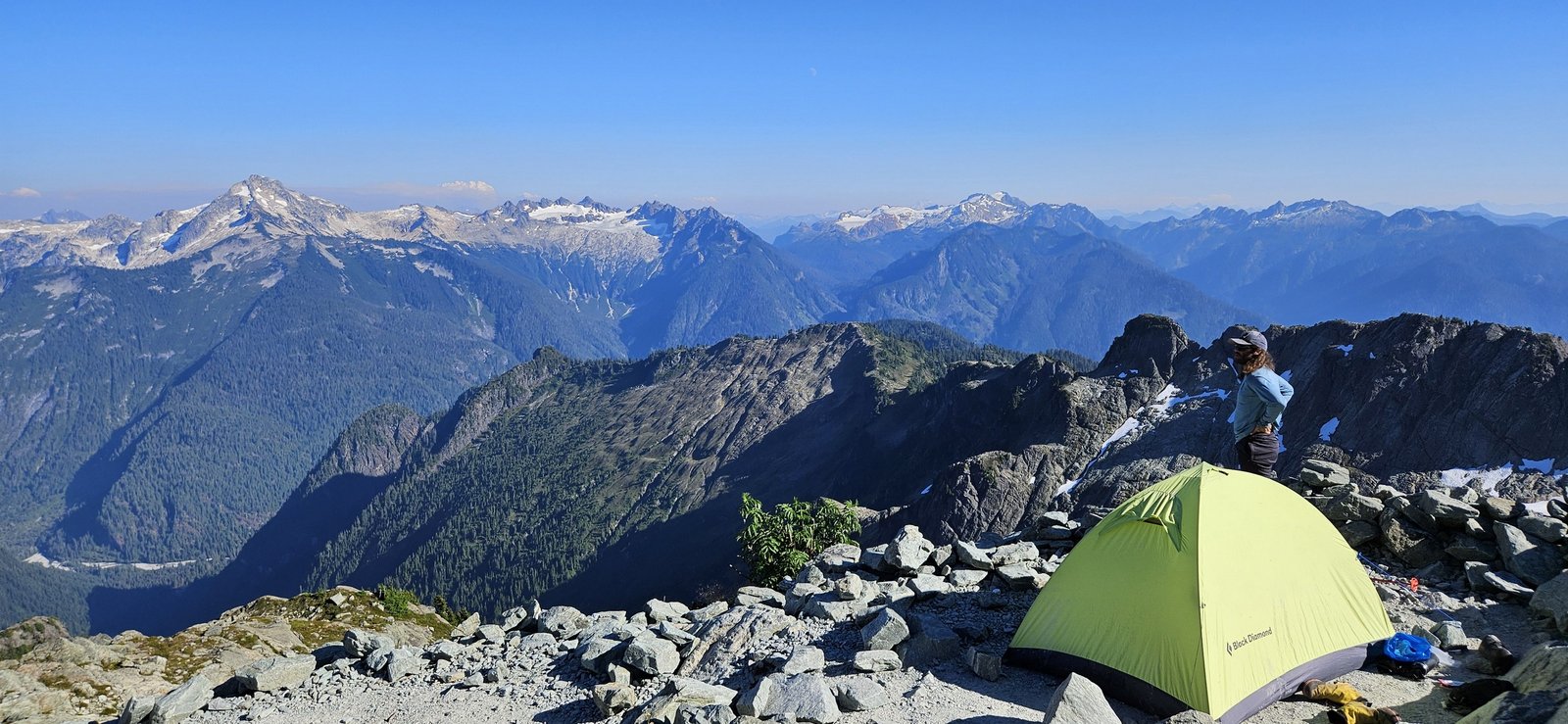
North Gardner, North Cascades (Phil Stinis joined to camp)

Mt Deception, Olympic Range (Phil Stinis joined to camp)

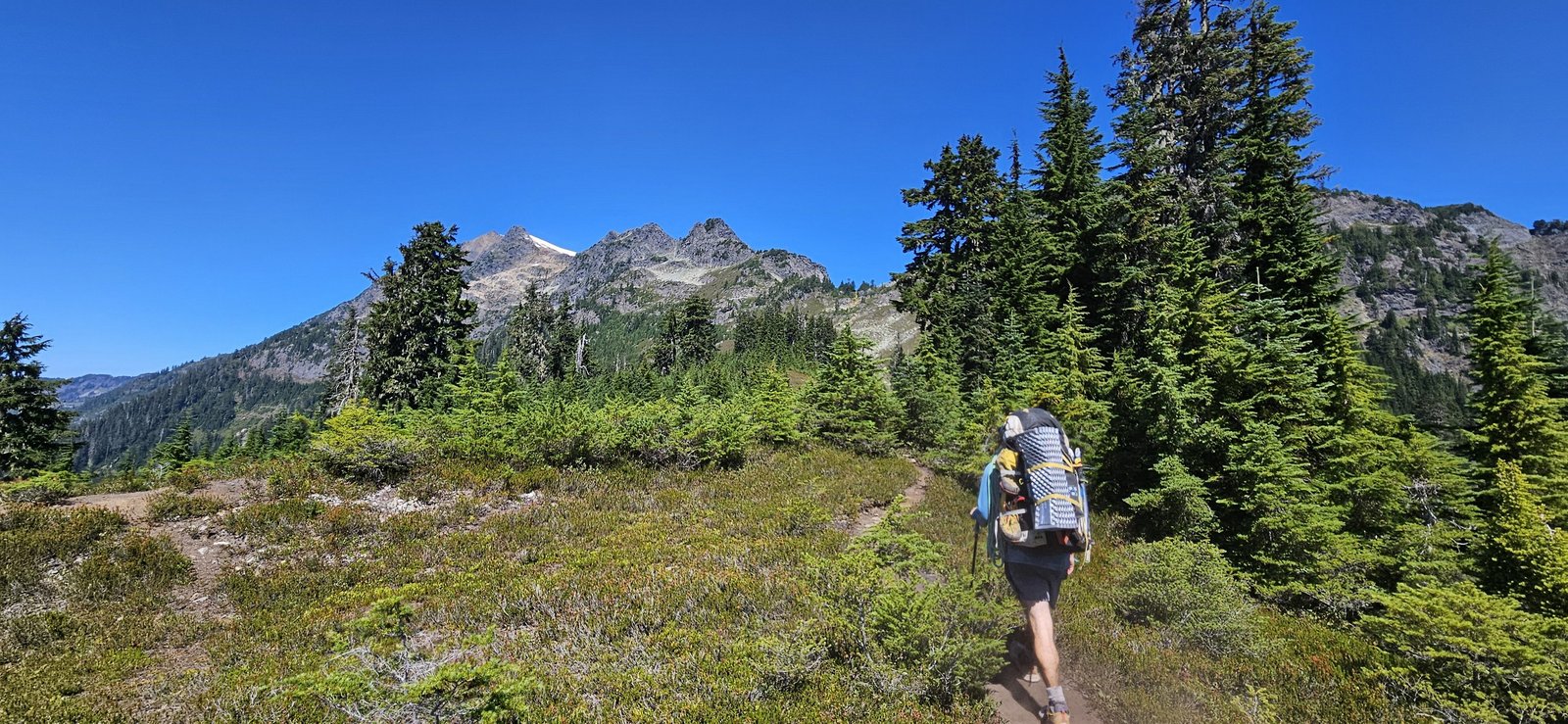
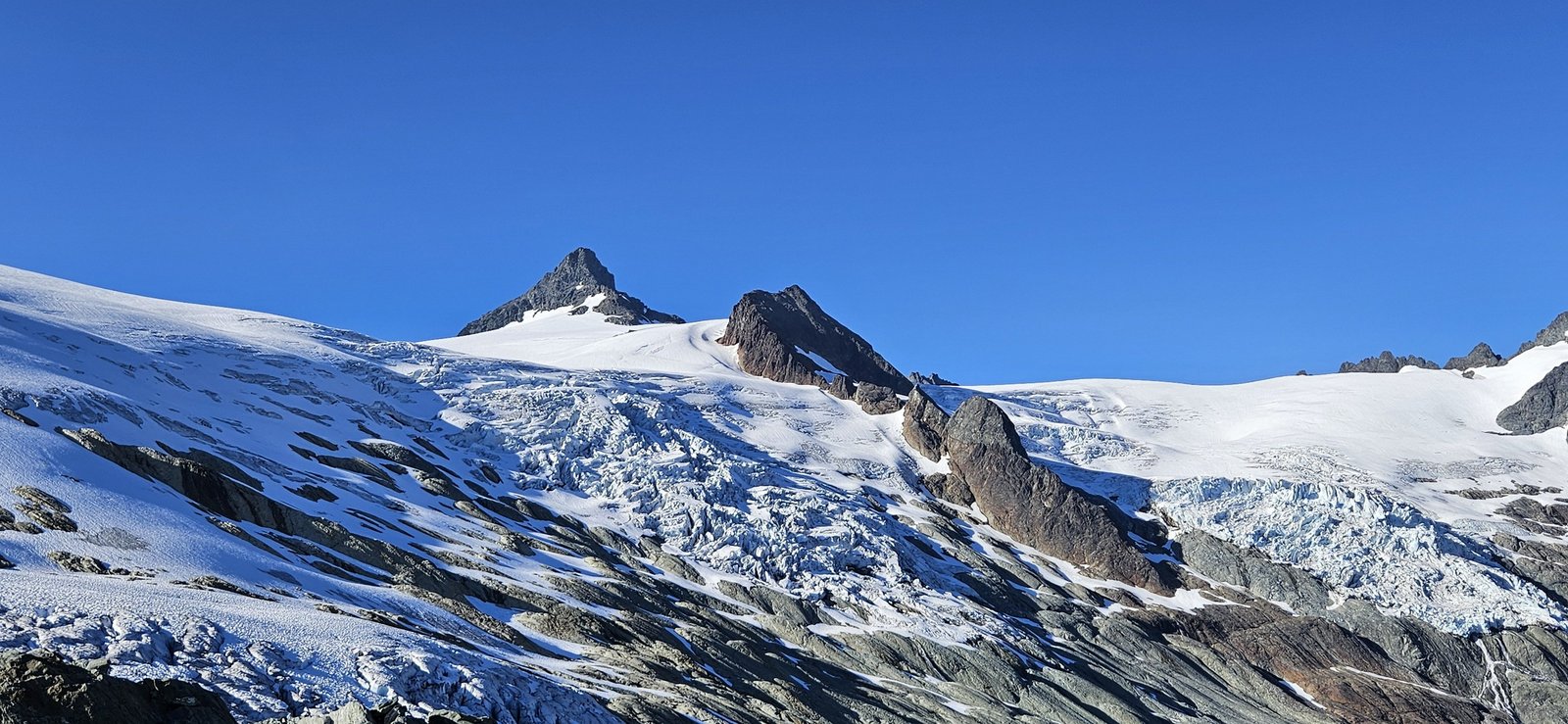
Mt Spickard, North Cascades (climbed with Tony Russo)

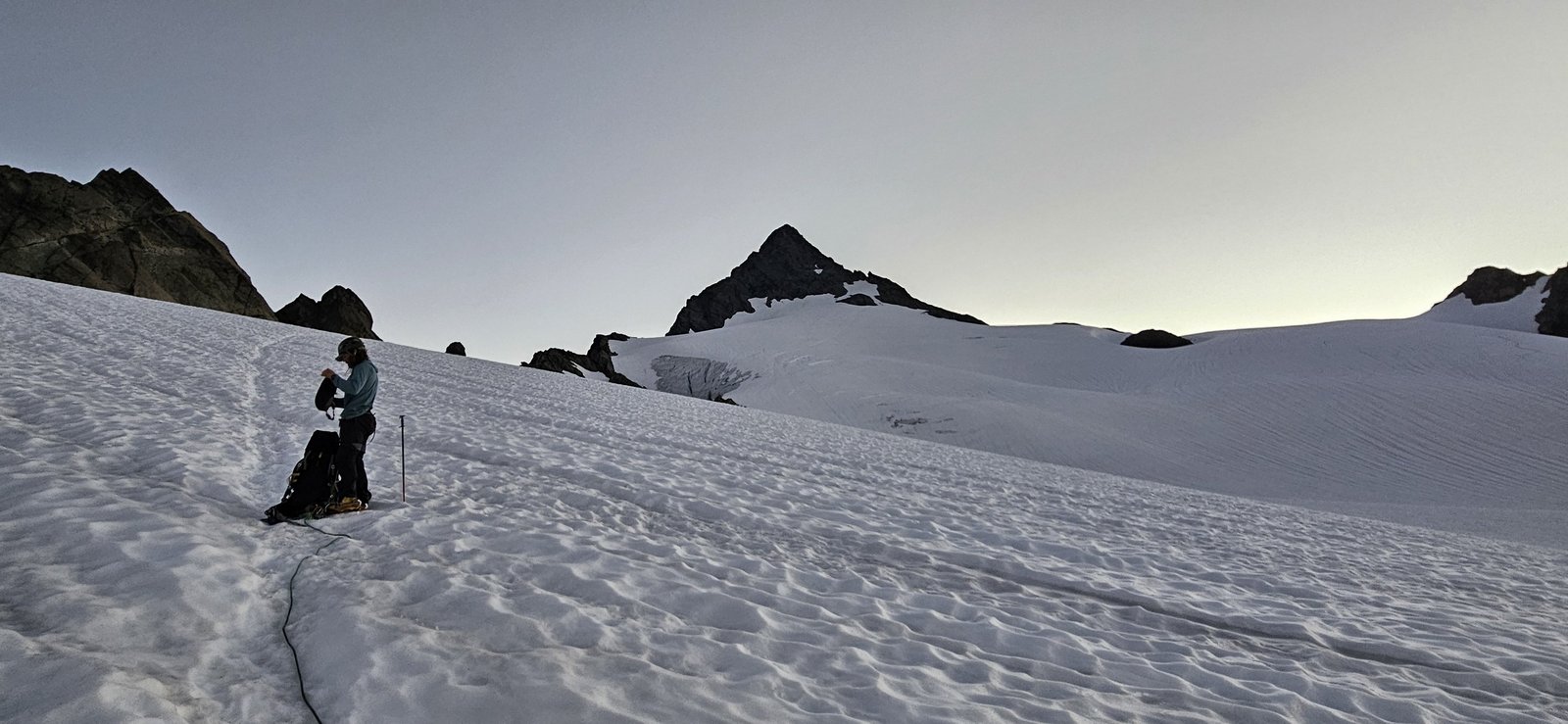
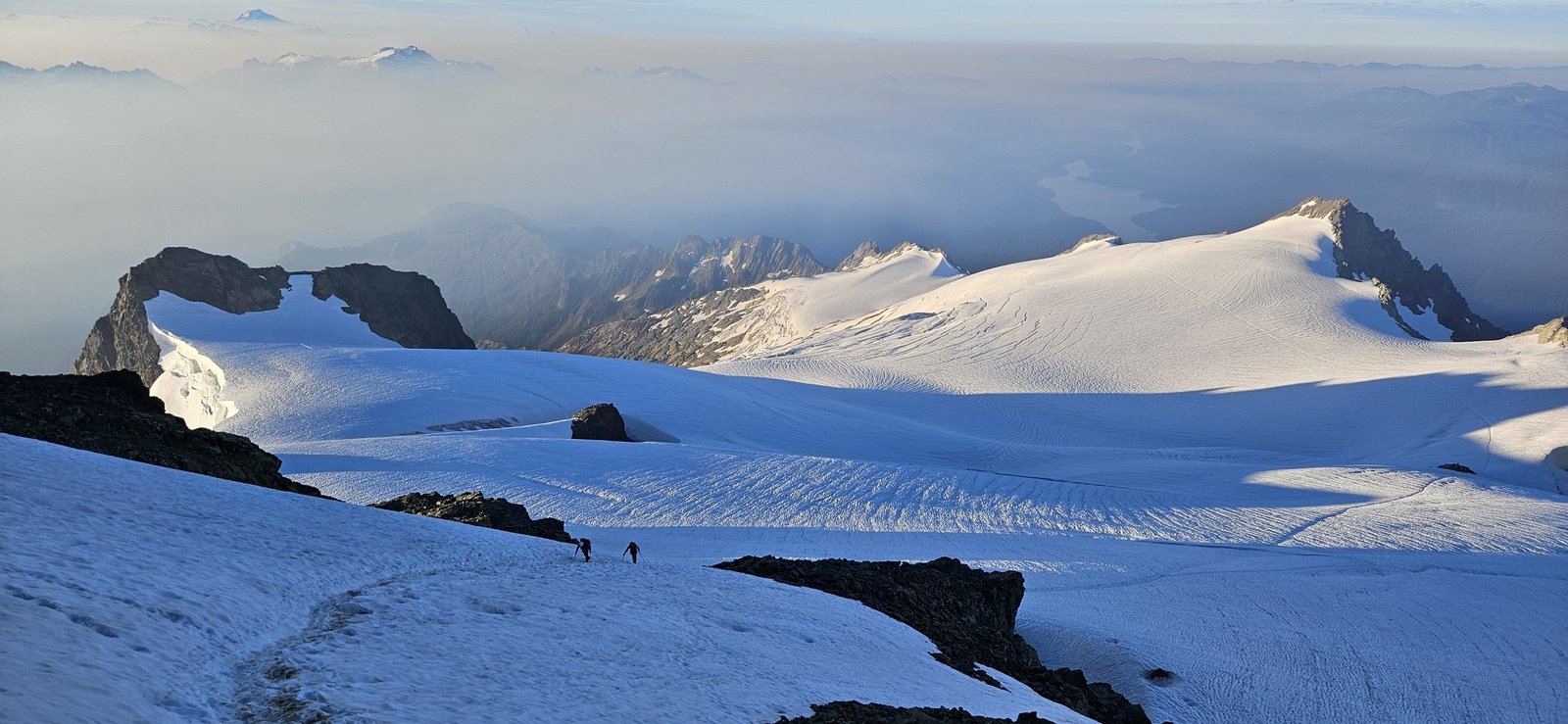
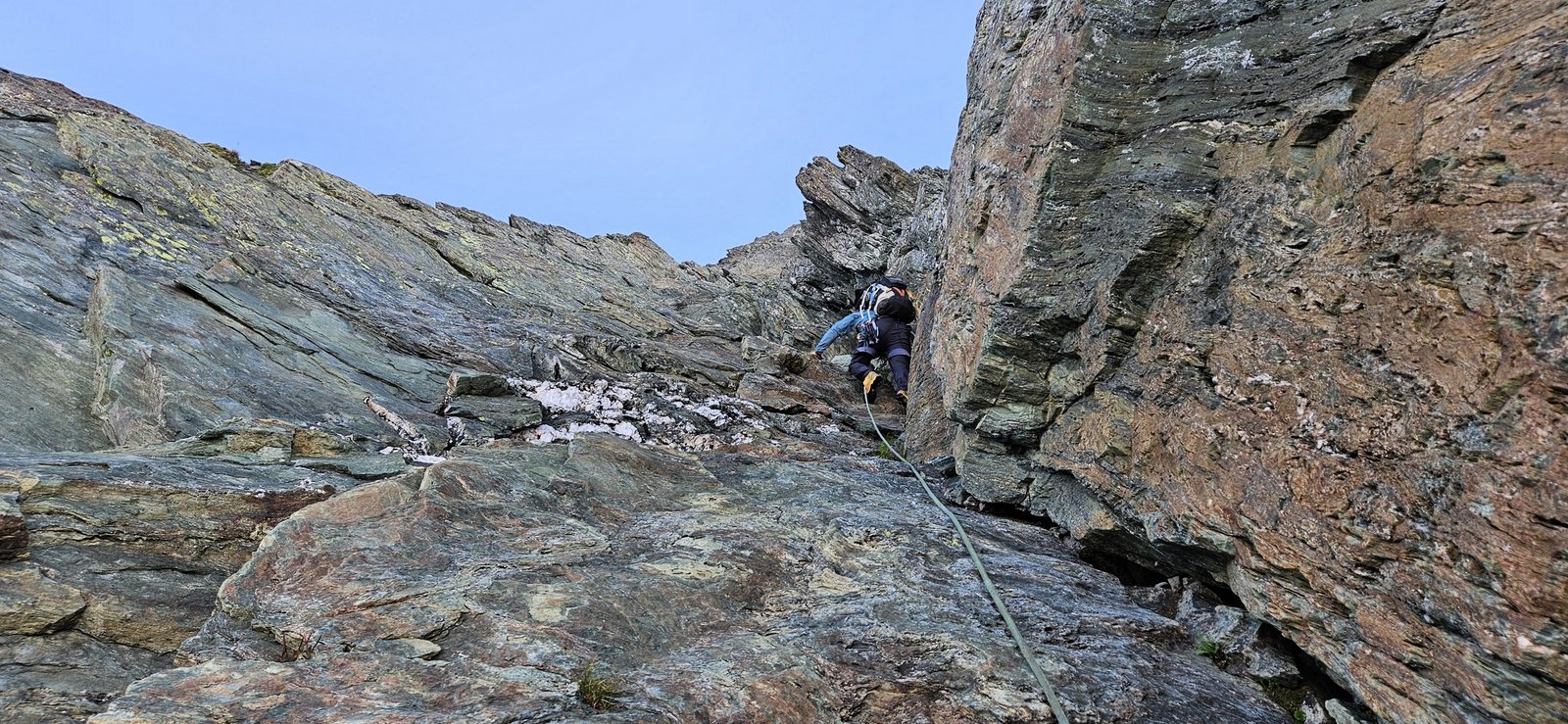
Spickard was a spectacular climb. We drove into Canada then crossed back into Washington on foot. Heavy brush, climbing wet slab to get around a massive waterfall, snow, and rock to get the highest peak in the Washington Chilliwacks – a premier sub-range lacking easy access.

Deception – I’d failed on this one a few years ago with icy conditions, I have a thing where I’ll use a different route on a 2nd attempt even if its harder or longer. This trip I took a rarely used route on the west side of the peak with little info. When I got to the base, mist and rain came in and I couldn’t see the route. I crouched under some boulders for a few hours sure that I would fail again. Eventually there was a clearing and I saw the bottom of the route, I went for it and got above the weather. Success felt especially sweet on this one.

Resurveys using LIDAR technology have been changing this list over the last year. It was thought that 142 peaks in the ConUS had 4000ft+ of prominence, but it is now up to 146. North Gardner was added, along with Ch-paa-qn and Holland in Montana, and most recently Toro in California. I’d set North Gardner as a target on this trip for that reason, the other three I have luckily climbed already. This brings me up to 144 of 146 P4Ks climbed, just two left.


There aren’t many places I’d go out of my way to visit more than once, but very Northern California is an exception. I’ve visited the Redwoods and the Lost Coast many times now, this time would be on a bicycle. Slow travel, being able to stop and camp where cars can’t, exploring nooks and crannies that otherwise wouldn’t be possible…this was one of my favorite trips here despite the difficulty. Long and steep climbs, few places to resupply, and dry camps made the Lost Coast especially challenging and rewarding. This is one of the most satisfying trips I’ve done in a while. Joined by Phiip Stinis, the trip can be broken down into three sections:

Yreka to Eureka (6 days) – along the Klamath River, side trip to near Cecilville, over the mountains and into Redwoods National Park, then down the coast into Eureka.

The Lost Coast, Eureka to Fort Bragg (6 days) – the Victorian town of Ferndale, big steep climbs and descents to black sand beaches, Mattole Beach, King Mountain Road to Chemise Mountain Road to Sinkyone State Park, exiting via the notorious and remote Usal Road to the coast highway. Few cars or people, violent ocean, lots of wildlife, this was a remote, lush, twisting route through the most rugged coastline in the Continental USA. I even squeezed in a few seldom visited brushy summits (while Phil preferred to wait). One highlight was setting up camp on an old abandoned road at the westernmost point in California, near the foundation of an old lighthouse that has since been moved.

Fort Bragg to San Francisco (4 days) – casual coastal miles to finish on one of the world’s most iconic bridges.